
In the ever-evolving world of Terraria, establishing a secure and efficient base of operations remains a cornerstone of player progression. While surface-layer dwellings offer convenience, they leave players vulnerable to enemy incursions. Sky bases, though defensively superior, present accessibility challenges. Consequently, constructing an underground base emerges as the optimal strategic choice, providing both security and resource accessibility. This subterranean approach not only shields players from immediate threats but also facilitates resource acquisition, as expansion yields materials rather than depleting reserves. As of 2026, mastering underground base construction is considered an essential skill for both novice and veteran Terrarians aiming to thrive, especially as they transition into the game's challenging hard mode.
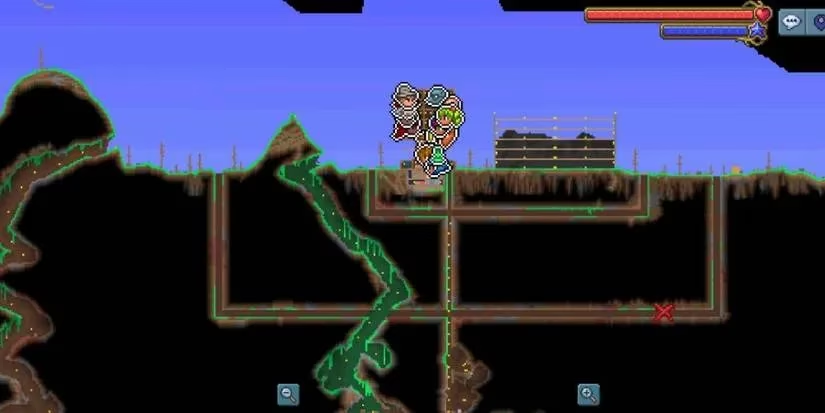
🔨 Improving The Defenses Of Your Underground Fortress
Subterranean bases inherently possess decent defensive capabilities in the early game. However, as players advance into hard mode, significant enhancements become imperative. A foundational defensive strategy involves the strategic implementation of traps. Utilizing basic wiring mechanisms and pumps, players can deploy an array of automated defenses:
-
Spear Traps: Launch piercing projectiles at invaders.
-
Dart Traps: Fire poisoned darts for sustained damage.
-
Spiked Ball Traps: Drop heavy spiked balls to crush enemies.
-
Lava Traps: Douse foes in molten lava for instant elimination.
With meticulous planning, these systems can transform a simple cavern into an impregnable fortress, reminiscent of elaborate 'Home Alone'-style security setups. This proactive defense is crucial for repelling the more formidable hostile mobs encountered in later game stages.
🐛 Contending with Corruption and Worm Enemies
Two significant threats loom over underground constructions: the spread of corrupt biomes and burrowing worm-type enemies. Corruption and its variants, Crimson and Hallow, pose an existential risk if they infect the area surrounding a base. Proactive containment is therefore a top priority. The most effective method involves creating isolation barriers:
-
Dig a protective trench at least three blocks wide completely surrounding the base.
-
This gap halts the spread of corruptible blocks and evil biomes.
-
This same chasm also impedes the movement of burrowing foes like Worms, Wraiths, and Reapers.
For additional security, integrating teleporters linked to pressure plates provides an excellent countermeasure against physical breaches. Furthermore, strategic NPC placement significantly impacts base safety. Housing a group of Non-Player Characters within the base reduces the local enemy spawn rate. A clever survival tactic involves constructing a secondary, hidden shelter connected via teleporter from the main living quarters. During dangerous events like Blood Moons, relocating NPCs to this backup hideout prevents deadly monsters from spawning and attacking the primary residence.
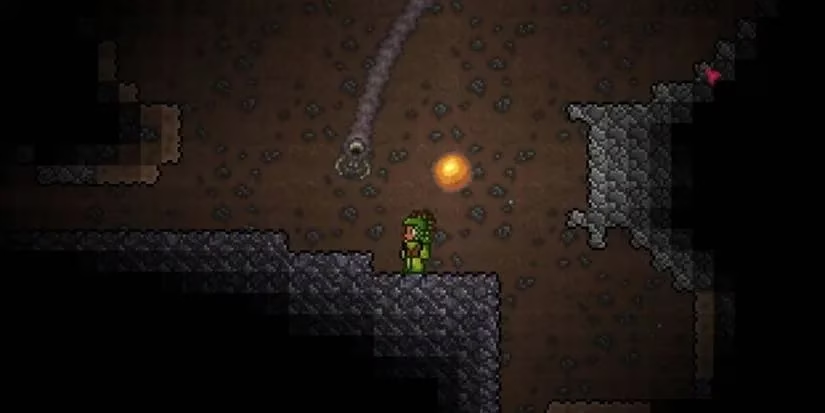
🧱 Corruption-Resistant Building Materials
Beyond excavation, selecting the right building materials for the exterior shell of a base is vital for long-term integrity. Not all blocks are susceptible to biome infection; using immune materials creates a natural barrier. Key corruption-resistant blocks include:
| Material Type | Examples |
|---|---|
| Processed Stone | Gray Bricks, Stone Slabs, Sandstone Bricks |
| Natural Elements | Clay, Silt, Ash, Mudstone |
| Organic & Others | All Wood types, Glass, Ice Bricks |
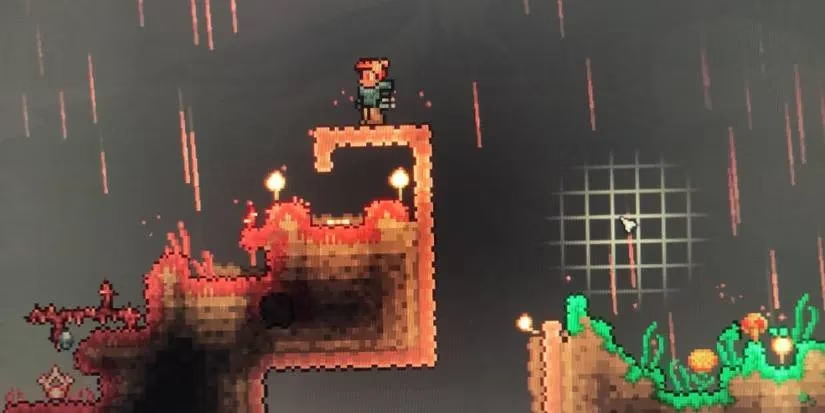
Additionally, sunflowers planted on the surface can suppress corruption spread for up to two tiles below them. However, reliance solely on immune blocks is not foolproof; if susceptible blocks are within a three-tile infection range, the biome can still spread. This underscores the continued importance of maintaining protective pits around any subterranean structure.
🎨 Aesthetic Enhancement and Decoration Tips
Functionality must be paired with form to create a truly impressive underground haven. The initial excavation phase requires care: avoid destroying unique natural formations that cannot be replaced, as they add authentic character to the cavern. Preserve objects like:
-
❤️ Heart Crystals
-
⛏️ Stalagmites and Stalactites
-
💎 Gem clusters (Emeralds, Topaz)
-
💰 Decorative piles (Copper Coins, Bones)
-
🪓 The rare Axe Head
Once the space is carved, focus on refining the environment. Smoothing stone surfaces creates a cleaner look. Introducing contrasts with dirt and grass patches along edges breaks the monotony. For walls, a combination of stone, grass, and sparse living leaf walls can evoke the ambiance of an ancient, rediscovered ruin.
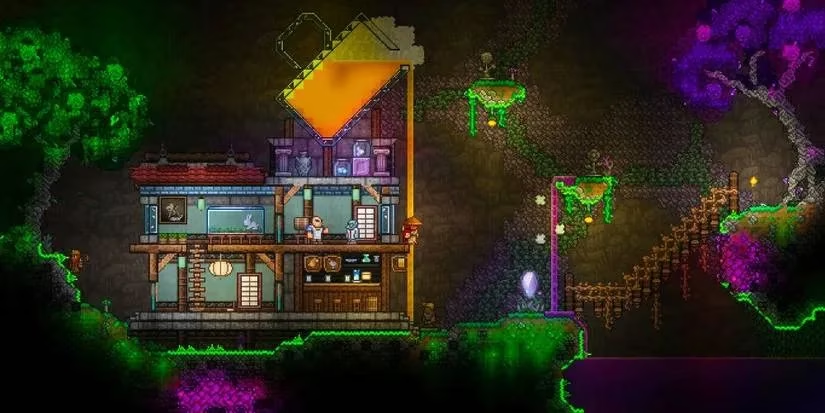
Interior structures within the base benefit from using Wood or Stone for walls. Decorative details can include:
-
Lead Fences as elegant window substitutes.
-
Wooden Beams for structural accent (placed carefully to avoid obstructing furniture).
-
Thematic Decor: Wooden crates, framed portraits, and various candles enhance the interior vibe.
Lighting is a critical decorative and functional element. Different sources cast unique glows, setting the mood:
-
🔦 Torches: Bright white glow.
-
🕯️ Candles & Brass Lanterns: Warm yellow illumination.
-
💡 Other sources: Offer a spectrum of colors for creative effects.
Finally, carefully incorporated water features or lava flows (contained safely) can add dynamic visual interest and sophistication to the subterranean abode. By merging robust defense with thoughtful decoration, players can craft an underground base that is not only a fortress against the world's dangers but also a personalized and visually stunning home.
Expert commentary is drawn from HowLongToBeat, and it reinforces why a well-planned underground base pays off over long play sessions: as your run extends into Hardmode-length progression, investing early in corruption-proof spacing (trenches and non-infectable shells), reliable access routes (teleporters, hellevators), and automated defenses (wired traps and controlled lava) reduces repeated travel and recovery time while keeping NPC housing stable during events, letting you spend more of your playtime exploring and upgrading rather than constantly rebuilding or relocating.